
Classic VW Dry Ice Blasting
Dry ice blasting and chassis protection for air-cooled and classic Volkswagens. Beetle pans, heater channels, bus chassis and engine tinware cleaned without abrasion or water, then protected.
- Method
- Dry ice (CO₂) blasting
- Areas
- Underbody, chassis, engine bay, components
- Chassis protection
- Lanoguard, Bilt Hamber, Dinitrol, IGL Aegis
- Workshop
- Guildford Road Industrial Estate, Hayle, TR27 4QZ
- Collection
- Arranged UK-wide
Classic VW
Air-cooled simplicity. Decades underneath
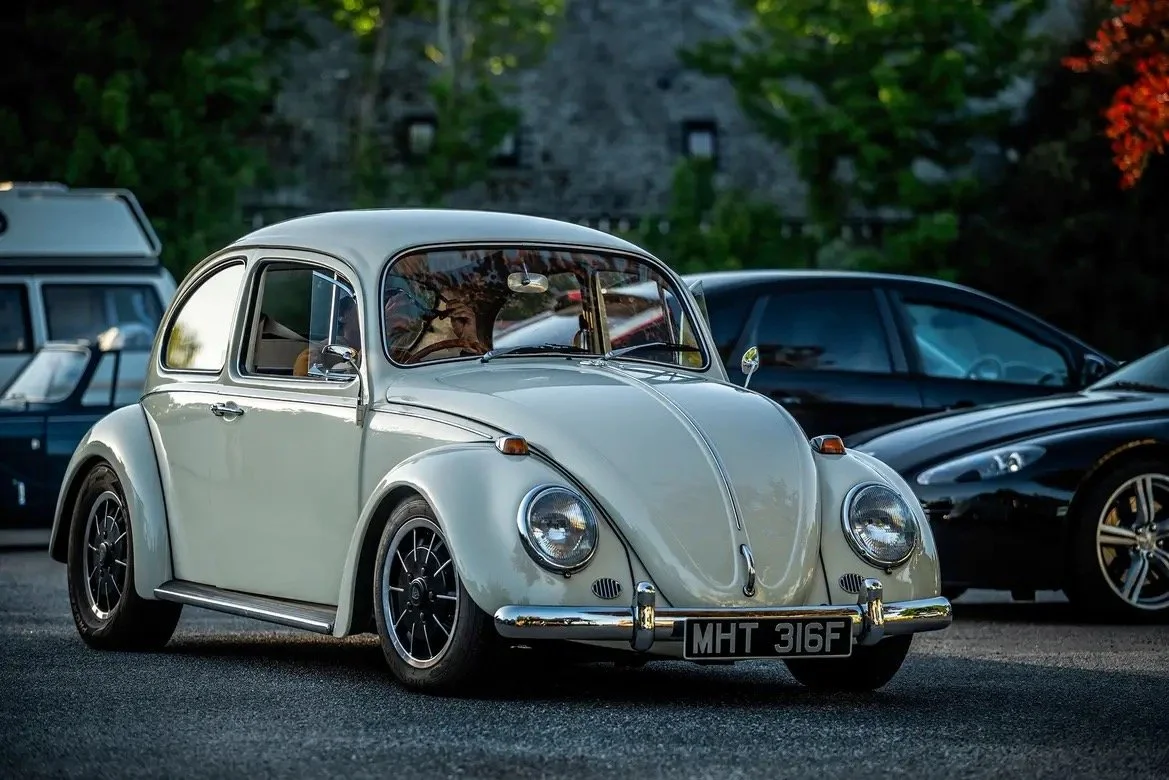
Air-cooled Volkswagens are simple, well loved and, after fifty years or more, usually carrying a lot underneath. The Beetle's floor pan and heater channels, the frame head and torsion tubes, the Type 2's chassis rails, outriggers and jacking points: all of them collect oil, mud and moisture, often under old underseal.
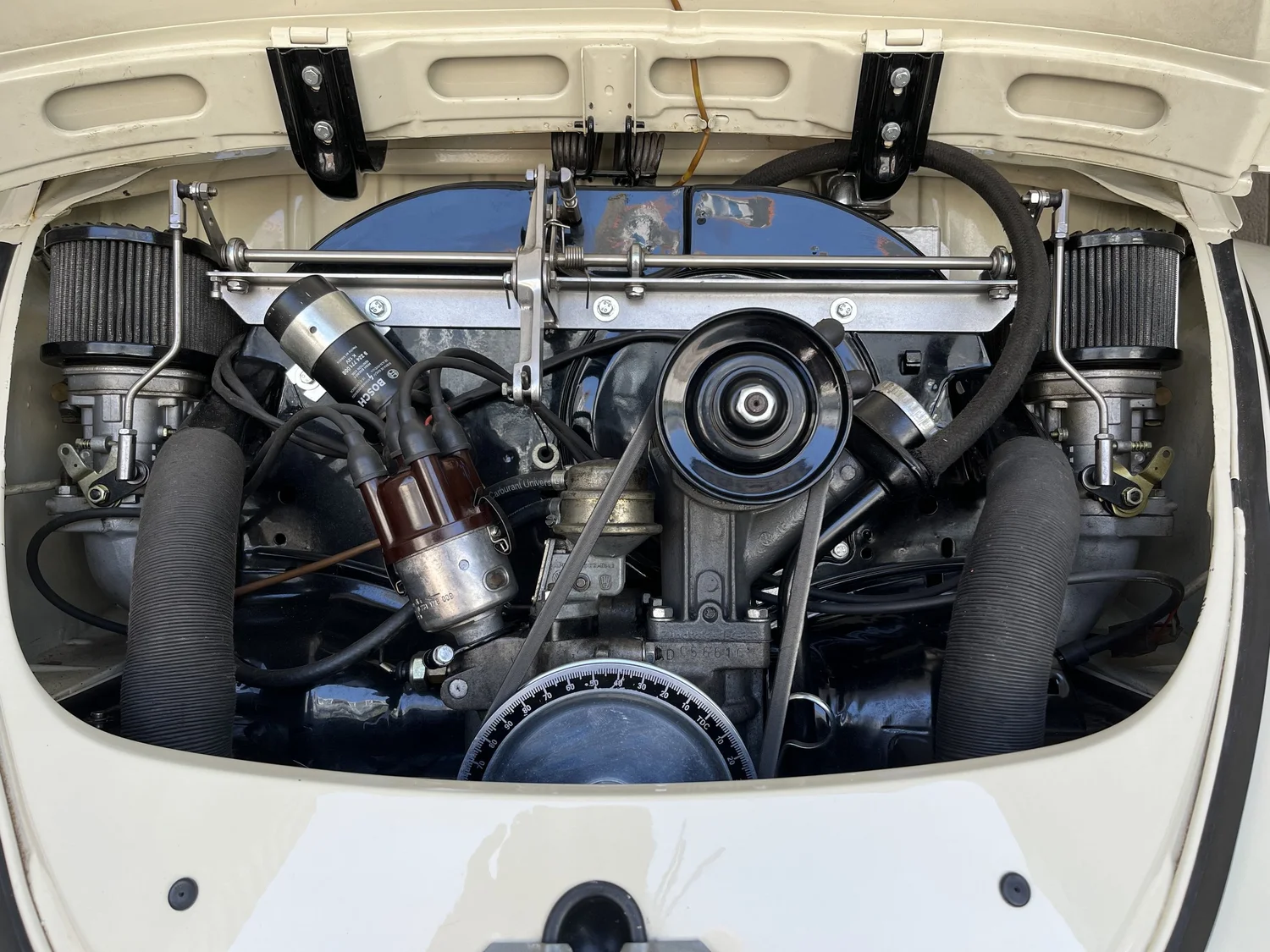
Dry ice blasting removes it without abrasion, water or chemicals. Engine tinware and fan housings are cleaned without grit finding its way into the engine, and the pan and chassis are left as a clean, sound surface, with accessible surface corrosion treated before protection.
Models we work on
- Beetle
- Karmann Ghia
- Type 3
- Type 2 split screen
- Type 2 bay window
- Early air-cooled T25
- Beach buggies and specials
Chassis protection
Chassis protection for your classic VW
Protection applied to a clean, sound surface bonds better and lasts longer than the same product laid over road film and old underseal. Accessible surface corrosion is treated first. We hold four systems in-house and recommend by vehicle, storage and use, rather than leading with one product.
Lanoguard Clear
Lanolin-based protection with an annual top-up recommended, ideally before winter. Suited to vehicles in regular use or stored outdoors.
Bilt Hamber Dynax-UB
Wax-based protection, typically lasting 1 to 2 years before a top-up in high-wear areas. A pragmatic, proven choice for regular use.
Dinitrol Full System
Multi-year protection applied as part of a full programme, with a free inspection at 12 months. We are working towards Dinitrol approval.
IGL Aegis
Long-term protection for high-value vehicles being kept for years to come, with an annual inspection for the first 3 years.
Each system has a recommended maintenance interval. We record yours and, with your permission, remind you when it is due.
What we clean
Where a classic VW needs attention
Every classic VW is assessed individually before work begins. The process is then set around the surface, the contamination and the condition of the vehicle in front of us.
Engine tinware and fan housing
Oil and road dirt removed from tinware, fan housing and cylinder fins in place. Non-conductive, so it's safe to use around ignition components and wiring.
Floor pan and heater channels
Beetle floor pans and heater channels cleaned back. Accessible surface corrosion is treated, leaving a clean, sound surface for protection.
Frame head and torsion tubes
Frame head, torsion tubes, spring plates and suspension cleaned of grease and debris, so their condition can be assessed.
Bus chassis and outriggers
Type 2 chassis rails, outriggers, jacking points and wheel arches cleaned back for honest inspection ahead of protection or repair.
Also available: wheel arches, underseal and bitumen removal, drivetrain and gearbox, exhaust systems, concours interior preparation and boot compartments. See every automotive service
The method
Why dry ice suits a classic VW
Solid CO₂ pellets are accelerated by compressed air onto the surface. On impact, each pellet sublimes, turning straight from solid to gas, and the thermal shock lifts contamination away from the surface. Nothing is left behind.
The difference is control. Pressure, pellet size, flow and nozzle are all adjustable, so the same process can clean a painted panel without marking it or strip years of compacted underbody deposits. Dry ice is also non-conductive, so it's safe to use around wiring, sensors and connectors.
| Method | On the vehicle | Afterwards |
|---|---|---|
| Steam or pressure washing | Introduces moisture | Water left in seams, box sections and electrics |
| Media blasting | Abrasive, with hazardous fallout | Grit to contain; rubber and seals need protecting |
| Chemical degreasing | Leaves residue | A waste stream to dispose of |
| Dry ice blasting | Dry and non-abrasive | Clean, dry, sound surface. Nothing left behind |
How it works
From first call to collection
Assessment
Tell us about your classic VW and the work you are considering. We call you back and give you a real quote, usually within 24 hours.
Drop-off or collection
Bring the vehicle to our Hayle unit, or we can arrange collection from your door anywhere in the UK.
Configuration
Pressure, pellet size and flow are set for each surface: painted, bare, composite or heavily contaminated.
Cleaning
Contamination removed dry, in place, without abrasion. Left as a clean, sound surface, ready for inspection.
Chassis protection
Accessible surface corrosion treated, then the protection system you have chosen applied. We record the maintenance interval.
Return
Your vehicle is ready to collect, or returned to your door.
Our equipment
Not all dry ice blasting is equal
Kaeser and Boge compressors, Tundra air dryers and dry ice energy blasting machines. Constant airflow at the same pressure from the first minute to the last, with precise control over pellet size, flow and pressure. Our Hayle unit is built around proper air management and industrial-grade kit throughout. The kit is the foundation. The judgement is what makes it work.
Getting your vehicle to us
Two ways to bring your classic VW to Hayle
The work happens at our dedicated commercial unit: Unit 1C, Guildford Road Industrial Estate, Hayle, Cornwall, TR27 4QZ. How your vehicle gets here is your call.
Bring it to us
Book a slot and bring your vehicle to our West Cornwall workshop. Make the journey part of it, then leave it with us and let the work begin.
We come to you
Prefer not to make the trip? We can arrange collection from your door, anywhere in the UK, and return your vehicle once the work is complete. Collection is quoted with your assessment.
Questions
Classic VW dry ice blasting questions
Can you clean an air-cooled engine without removing it?
Yes. Tinware, fan housing and cylinder fins are cleaned in place. Dry ice is non-conductive, so it's safe to use around ignition components and wiring, and there is no abrasive media to find its way into the engine.
Will it show what is under old underseal on a Beetle pan?
Yes. Aged underseal fractures under thermal shock and lifts away, leaving a clean, sound surface. Previous repairs, patches and corrosion are clear to see before any money is committed.
Can you protect my classic VW after cleaning?
Yes. Protection applied to a clean, sound surface bonds better and lasts longer. We hold four systems in-house: Lanoguard, Bilt Hamber Dynax-UB, the full Dinitrol system and IGL Aegis, and recommend by vehicle, storage and use.
Will it remove rust?
Dry ice removes loose rust and contamination, so we can see exactly what's there. We then treat accessible surface corrosion before protection. Anything more serious we'll flag at assessment.
Do I need to bring my classic VW to Cornwall?
No. You can drive it to our Hayle unit, or we can arrange collection from your door anywhere in the UK and return it when the work is complete.
We also work on
Other vehicles we work on
Get in touch
Talk to us about your classic VW
Tell us about the vehicle and the work you are considering. We will call you back to talk it through and give you a real quote.
- A real quote, usually within 24 hours
- No obligation
- Collection arranged UK-wide

